Home › Guides › First-week foods
What to eat the first week postpartum
The short answer: warm, soft, protein-rich food that takes one hand and zero decisions — caldo de pollo, lentil and bean soups, guisos, oatmeal or atole, eggs, and steady fluids. The first week isn't the moment for elaborate cooking; it's the moment for food that arrives ready.

Reviewed by Daniela Prado, CPPNS, Certified Postpartum Nutrition Specialist
Updated July 8, 2026 · 2 min read
Educational guide, not a substitute for advice from your doctor or midwife.
Why this week is different
You're healing from birth, running on interrupted sleep, and learning a newborn's rhythms — often all before breakfast. Appetite can be strange, digestion is usually slow to restart, and standing at a stove is nobody's plan. The goal this week is simple: enough protein, enough fluids, enough warmth, minimum effort.
What to reach for
Caldos & soups
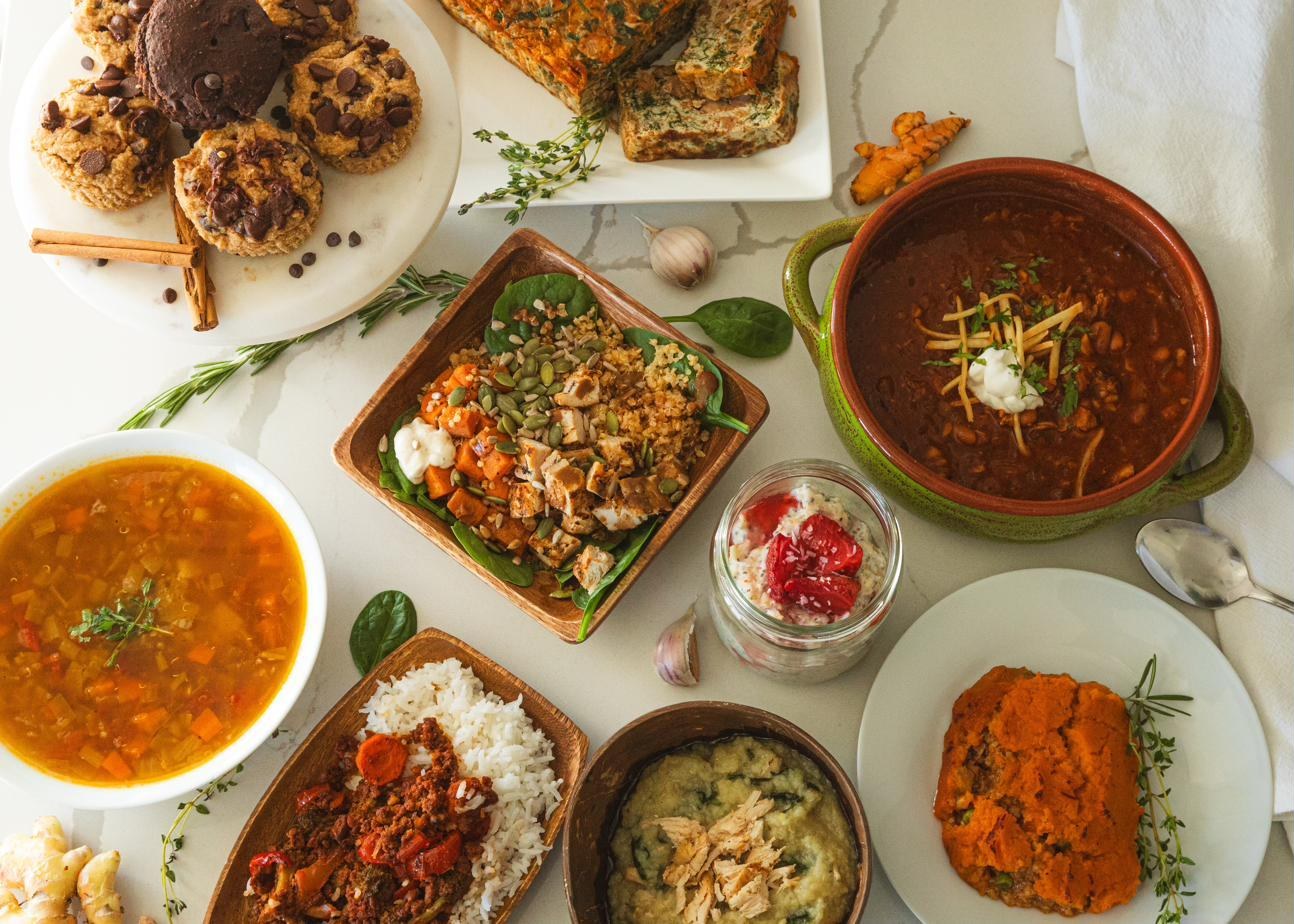
Chicken or beef caldo, lentil soup, sopa de fideo. Hydrating, warm, protein-carrying, and reheatable in minutes.
Stews & guisos
Slow-cooked, soft, and forgiving — they taste better on day three, which is exactly when you'll want them.
Warm breakfasts
Oatmeal or avena, atoles, eggs however you like them. Add fruit for fiber and a little sweetness without refined sugar.
One-hand snacks
Nuts, cheese or a plant-based swap, fruit, hard-boiled eggs, muffins made with unbleached or einkorn flour. Things you can eat while holding a baby.
Do as little as possible
Three things do most of the work. First, cook nothing this week if you can help it. That is exactly what freezer meals prepared before birth are for. Second, when someone says "let me know if you need anything," answer with a dish: "a pot of soup would be amazing." People genuinely want a specific job. Third, keep a water bottle and snacks wherever you feed the baby; thirst and hunger show up on the baby's schedule, not yours.
If you gave birth by cesarean, the same foods apply with a few additions for healing and digestion — see C-section recovery foods. And if you're curious why so many Latin American families structure this whole period around warmth and rest, that's the first 40 days.
When to call your provider
Heavy bleeding that soaks a pad within an hour, fever, severe or worsening pain, a bad-smelling discharge, headache with vision changes, or feeling unable to cope or having thoughts of harming yourself or your baby — call your doctor or midwife right away.
Questions mothers ask
I have no appetite. Is that normal?
Fluctuating appetite is common in the first days. Small, frequent, warm portions — half a bowl of caldo, a few bites of oatmeal — usually go down easier than full plates. If you can't keep anything down or appetite doesn't return, tell your provider.
What should my partner or family cook for me?
Big pots of things: caldo de pollo, lentil soup, a stew, a tray of egg muffins. Food that reheats in one step and doesn't need assembly wins the week.
Can I drink coffee this week?
Generally yes, in moderation — if you're breastfeeding, most guidance considers moderate caffeine compatible with nursing. If your baby seems unusually fussy or wakeful, it's reasonable to scale back and mention it to your provider.
Weighing bigger help? When a registered dietitian is the right call — and what postpartum support actually costs, with sourced prices.
Get the Mini Postpartum Food Guide
What to eat and when: snacks, breakfast, lunch and dinner for the early weeks. Free, and yours in one click.
English, Spanish or French. From Pura Mama Inc., 4402 50 St, Stettler, AB T4K 1K9. Unsubscribe anytime by replying. We never share your address. Privacy policy
Start eating like someone is taking care of you
Free to use, in three languages, wherever you are.