Freezer meals before baby arrives
The short answer: two or three weekends in the third trimester can stock two to three weeks of real postpartum food. Prioritize what freezes and reheats beautifully — caldos, guisos, lentil and bean soups, cooked grains, breakfast muffins — portion it for one-handed reheating, label everything with a date, and future-you eats well during the exact week cooking is impossible.

Reviewed by Daniela Prado, CPPNS, Certified Postpartum Nutrition Specialist
Updated July 8, 2026 · 2 min read
Educational guide, not a substitute for advice from your doctor or midwife.
Why this works so well
The first postpartum week has the highest need for nourishing food and the lowest capacity to produce it. Freezer prep moves the cooking to a time when you can still stand at a stove comfortably-ish, and converts it into the softest possible landing. It's also the single most useful answer when someone asks how they can help before the birth: "come cook and freeze with me."
What freezes beautifully
Caldos & brothy soups
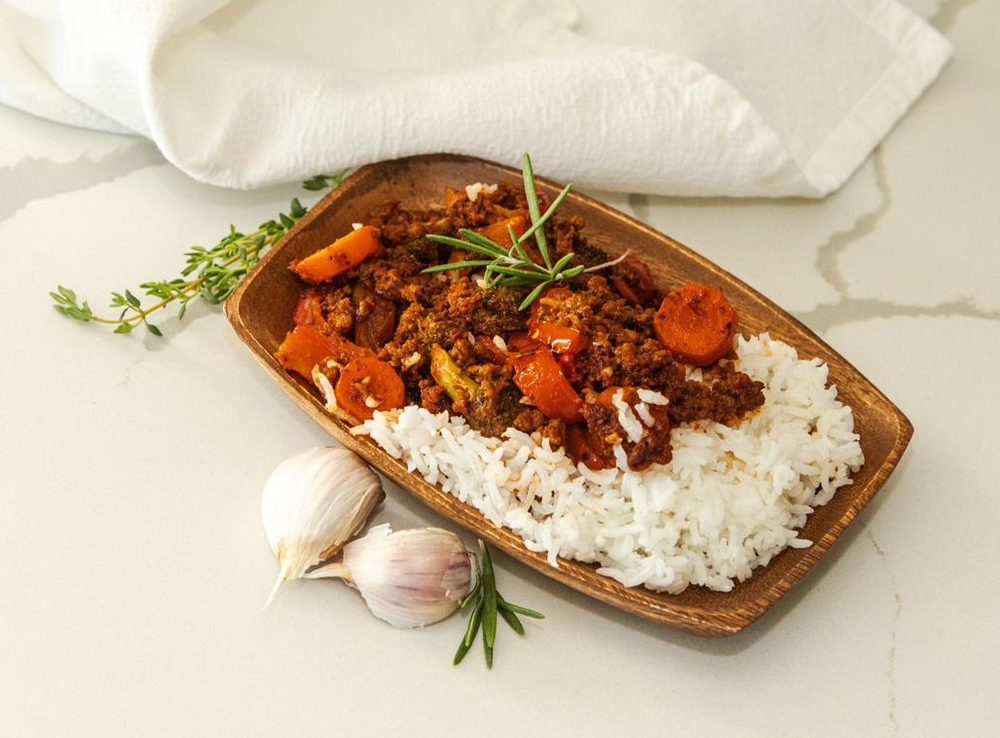
Chicken and beef caldos, lentil soup, bean soups. Freeze flat in bags or in single-serve containers; they reheat from frozen in one pot.
Guisos & stews
Slow-cooked stews hold texture and deepen in flavor. Portion into meal-size containers rather than one giant tub.
Cooked bases
Rice, beans, shredded seasoned chicken or beef. Frozen bases turn into five different meals with almost no thought.
Warm breakfasts
Muffins with unbleached or einkorn flour and no refined sugar, breakfast burritos, cooked oatmeal portions. Grab, heat, eat one-handed.
What doesn't freeze well
Cream-heavy sauces can split, anything meant to be crisp goes soft, and delicate greens turn to memory. Freeze the stew; add the fresh garnish — cilantro, avocado, a squeeze of lime — when serving. Those finishing touches are also the easiest job to hand a visitor.
A simple plan
Pick one weekend around weeks 34–36. Choose four or five recipes from the lists above, shop once, cook in big pots, and portion while warm-not-hot. Label every container with the contents and date. Cool food before it goes in the freezer, keep portions meal-sized, and when the time comes, thaw in the fridge or reheat from frozen until piping hot. As a general rule of thumb, most home-frozen meals are at their best within about three months — which conveniently is exactly your timeline.
For what to do with all this food once baby arrives, see the first-week guide — and if you want the deeper why behind warm, restful early weeks, read about the first 40 days.
One boundary worth stating
Freezer prep is about logistics, not medical care. Any symptoms or concerns in late pregnancy — reduced movement, bleeding, severe swelling or headaches — go straight to your provider, not to a to-do list.
Questions mothers ask
How many meals should I freeze?
A useful target is 10–15 main-meal portions plus a batch of breakfasts and snacks — roughly two to three weeks of support. More is lovely if freezer space allows, but even eight portions changes the first week.
What containers work best?
Flat freezer bags stack and thaw fastest for soups and caldos; rigid single-portion containers are easiest one-handed. Whatever you use, label with contents and date — week-three you will not recognize mystery blocks.
Can I freeze meals if I'm planning a C-section?
Yes — arguably it matters even more, since recovery is longer and lifting is limited at first. Prioritize the softest, easiest-to-digest options and see our C-section recovery foods guide for what to emphasize.
Weighing bigger help? When a registered dietitian is the right call — and what postpartum support actually costs, with sourced prices.
Get the Mini Postpartum Food Guide
What to eat and when: snacks, breakfast, lunch and dinner for the early weeks. Free, and yours in one click.
English, Spanish or French. From Pura Mama Inc., 4402 50 St, Stettler, AB T4K 1K9. Unsubscribe anytime by replying. We never share your address. Privacy policy
Start eating like someone is taking care of you
Free to use, in three languages, wherever you are.